
What Is Roof Underlayment and Why Does It Matter for Eden, NY Homes?
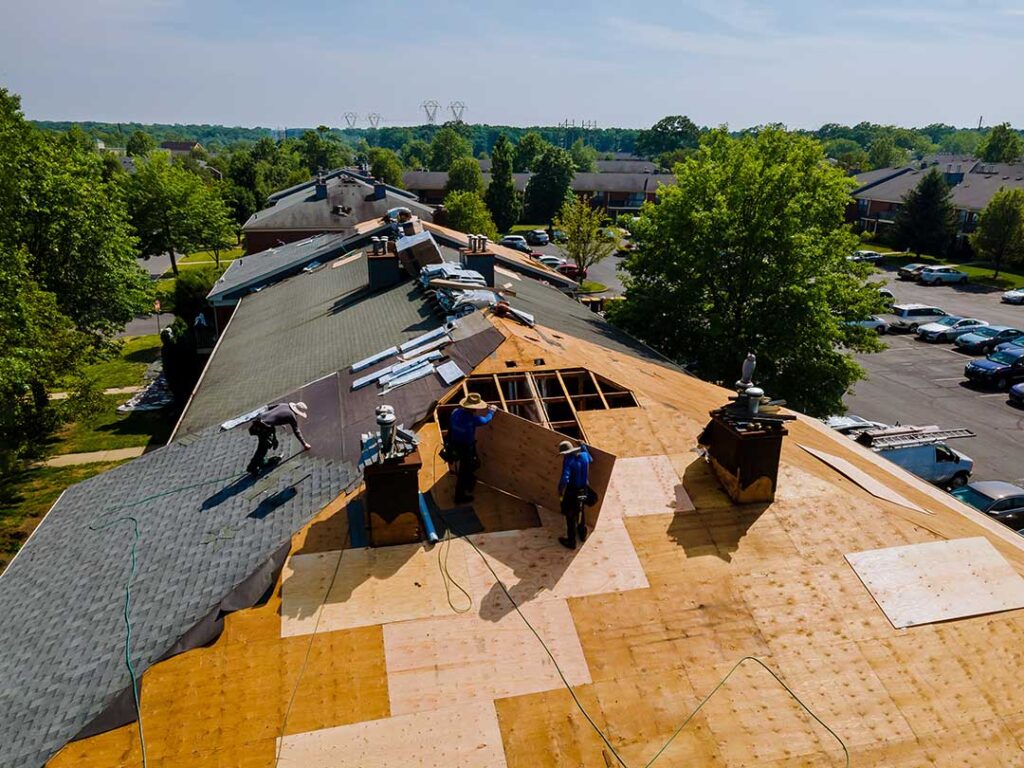
Roof underlayment is a protective barrier installed directly onto the roof deck, beneath the shingles or other outer roofing materials. In Eden, NY, where rain, snow, and ice are all part of the seasonal cycle, this hidden layer serves as crucial backup protection against leaks and moisture damage.
It helps keep water out if wind or damage forces moisture under the shingles. For area households, underlayment acts as the last line of defense when the top roof layer is compromised. This extra protection is particularly relevant during winter freeze-thaw cycles, spring rains, and autumn windstorms common in the region.
What Types of Roof Underlayment Are Used Locally?
There are three main categories used in residential roofing projects throughout the region:
- Asphalt-Saturated Felt: Traditionally referred to as “felt paper” or “tar paper,” this has been a staple on homes for generations. Typically available in 15-pound and 30-pound weights, it offers water resistance and an extra layer of padding.
- Synthetic Underlayment: Made from woven or spun plastics, these newer materials are lighter, more tear-resistant, and shed water more efficiently than felt. They’re commonly favored for their durability and ease of installation.
- Ice and Water Shield (Self-Adhering Membranes): Specifically designed for high-risk areas, these sticky-backed sheets provide superior protection against ice damming and wind-driven rain—especially important near eaves, valleys, and low-slope sections in the Eden climate.
The choice often reflects both builder preference and specific local needs, like how prone the area is to ice damming at the roof edges.
Does Every Roof in Eden Need Underlayment?
Yes, local building codes require underlayment for most new roofs and major replacements. Beyond code, the region’s variable weather means that skipping this layer increases the risk of leaks, rot, and heat loss—especially when snow piles up or heavy rains hit. Underlayment provides a crucial safety net for attic insulation and wooden roof decks across the community.
Can the Same Underlayment Be Used For All Roof Types?
Not every option fits all roofing styles or materials. For instance, architectural shingles and metal roofing each have unique compatibility needs:
- Asphalt shingles: Both felt and synthetic can be appropriate, though synthetics are often better suited for Eden’s frequent freeze-thaw.
- Metal roofing: Underlayment must be heat and water-resistant, as metal surfaces can cause condensation on the underside.
- Low-slope roofs (common on certain additions and porches): Ice and water shield should be used extensively, as water moves more slowly and is more likely to pool.
Matching the underlayment type to both roof slope and material is essential for long-term performance.
How Does Underlayment Work With Ice Dams and Snow in the Region?
In cold climates like Eden, ice dams are a seasonal concern. Warm air from the house melts snow; the runoff can refreeze at the eaves, trapping water that may leak upward beneath shingles.
- Ice and water shield is typically required on the lower portions of the roof, near the eaves (usually the first 3–6 feet up from the edge), to stop water infiltration.
- Local code may also require these membranes in roof valleys, around penetrations (chimneys, vents), and along rakes that face prevailing winds.
Relying solely on standard felt (instead of self-sealing membrane) in these hazard areas is a common misconception that can lead to leaks.
What Maintenance or Problems Can Happen With Roof Underlayment?
Underlayment is out of sight once installed, but poor installation or aging can lead to surprise issues:
- Tearing: Foot traffic during shingle work or debris/wind exposure before shingle installation can tear lightweight materials.
- “Buckling” or wrinkling: If the roof deck isn’t clean or dry, or if felt absorbs moisture before shingle install, it can wrinkle—potentially telegraphing through the shingles and affecting appearance.
- Premature aging: Prolonged sun exposure quickly degrades underlayment during long roof projects; Eden’s variable weather can accelerate this if materials are left exposed for days.
- Hidden leaks: If the underlayment is misapplied (especially ice and water shield), water can bypass the barrier and find its way to roof decking or attic wood, leading to costly repairs.
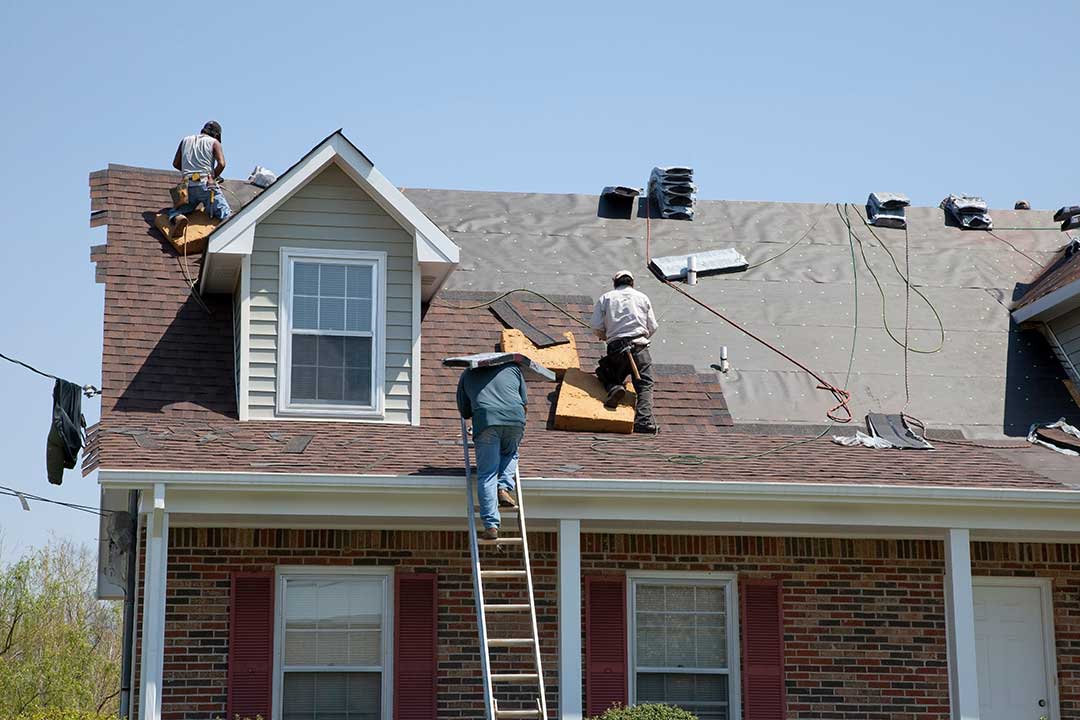
Routine attic inspections for water stains and checking ventilation can help catch problems sooner, even when the underlayment itself is out of reach.
Are There Special Local Considerations for Roof Underlayment?
Homes in the city frequently face unique weather extremes, with heavy snow accumulation and wind-driven rain. This means:
- Proper placement and overlap: Gaps or misaligned layers can allow water ingress. Local best practice is to install layers with generous overlap and pay special attention at intersections, such as valleys and eaves.
- Attic ventilation: Underlayment isn't a substitute for good airflow. Inadequate ventilation can trap moisture underneath, eventually softening roof decking and reducing shingle life.
- Re-roofing rules: When a new roof is installed over old materials (sometimes done for cost savings), underlayment requirements can differ—residents should refer to city code, especially for older homes.
- Local wildlife: Occasionally, squirrels or birds can damage eaves or fascia, potentially exposing underlayment near the edges.
Every project should consider both current code and the specific microclimate. For Eden, ice dam prevention and moisture control play a particularly large role in underlayment selection and installation.
How Long Does Underlayment Last, and When Should It Be Replaced?
Underlayment is designed to last as long as the primary roofing material, but its actual lifespan depends on:
- Quality and type (synthetic typically outlasts felt)
- Installation conditions (exposure to weather before shingles go on)
- Proper attic ventilation
- Local weathering and exposure
If an existing roof is being stripped for replacement, it’s almost always best to replace the underlayment, especially after major weather events. If a leak develops and can be traced to an underlayment issue, targeted replacement of affected sections is sometimes possible.
Modern synthetic underlayments, when properly protected and installed, may last 20+ years, but local climate cycles—heavy moisture, wind, and temperature swings—can reduce that figure.
