
How Have Roofing Materials Evolved in Eden, NY’s Climate?
Advancements in roofing materials have given homeowners more choices tailored to local weather, energy efficiency, and longevity. Traditional asphalt shingles remain common, but newer options such as metal roofs, synthetic composites, and even cool roof materials are gaining ground, especially where winters are harsh and summers are humid.
Metal roofing, now engineered with advanced coatings, resists corrosion from lake-effect snow and ice. Composite shingles can mimic slate or cedar but offer much better durability and resistance to cracking from freeze-thaw cycles, a common local challenge. “Cool roofs,” designed to reflect sunlight and reduce heat absorption, may not be as sought-after for solar gain in winter, but can help with attic ventilation and preventing ice damming during temperature swings.
What Are Smart Roof Systems and How Do They Work?
Smart roofing integrates sensors and technology directly into roofing materials or structural components. These advances focus on prevention and monitoring.
Homeowners can now find roofs equipped with moisture sensors that alert to leaks before they become visible, reducing the likelihood of hidden water damage—especially important given how quickly snow melt can seep into older roofs. Some systems use remote monitoring, sending data about temperature, humidity, or structural integrity to a smartphone. This remote feedback is particularly helpful for seasonal residents, snowbird households, and those with multi-story homes where roof damage can go undetected.
Can Solar Roofs Work Well in Eden’s Seasonal Weather?
Solar technology is now more adaptable to local patterns, including short, dark winter days and icy, snowy conditions. Modern solar shingles blend into the roofline rather than sitting above conventional materials, and they’re engineered for weight, wind resistance, and hail impact.
Year-round solar energy production in this region is influenced by more than just sunlight hours. Snowfall and tree cover play a role, but newer panels are designed with anti-reflective and self-heating coatings to help snow slide off or melt more rapidly, extending the active season. For homes with good southern exposure and minimal shade, solar-integrated roofing can supplement energy needs, though expectations should be adjusted based on microclimate.
How Is Insulation and Ventilation Improving With New Roof Designs?
Poor insulation and attic ventilation are root causes of many winter roofing issues, including ice dams and condensation that lead to mold or wood rot. Recent advances provide streamlined solutions.
- Roof decking materials now often include built-in vapor barriers.
- Advanced attic vents with automated dampers help maintain airflow even in extreme cold, reducing the chance of trapped moisture.
- Insulated panels can be layered beneath shingles to further slow heat loss, supporting indoor comfort and lowering energy costs.
Residents renovating older homes often overlook how modern roof systems can “seal” the home envelope better than adding insulation alone, preventing drafts and controlling humidity.
Are There Eco-Friendly Roofing Options for Local Homes?
Many in the community are seeking more sustainable options for major home updates. Roofing materials can now incorporate recycled content, last longer, and reduce waste.
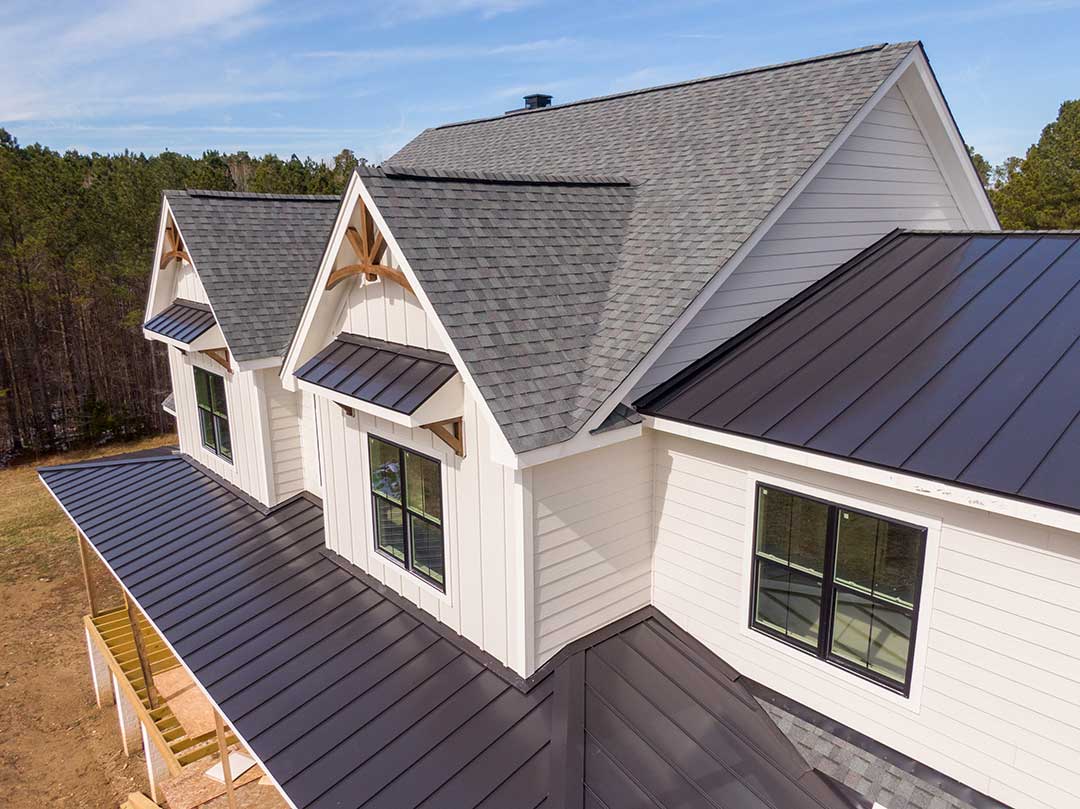
- Metal roofs are typically made from a high percentage of recycled steel or aluminum and are fully recyclable at their end of life.
- Synthetic shingles made from recycled rubber or plastics are increasingly available.
- Green roof systems—roofs partially or fully covered with vegetation—can increase insulation and support local biodiversity, though these are more common on flatter, accessible roofs and require careful planning and structural review.
Even cool roofs and reflective coatings can have environmental benefits by reducing the urban heat effect, particularly in densely developed parts of the city.
What Role Does Roofing Technology Play in Preventing Storm Damage?
As severe weather and wind events become more common, roof safety innovations matter locally. Impact-resistant shingles, especially those tested for hail and wind-driven debris, are engineered to withstand the type of storms that can sweep through the area each year.
- Updated fastening systems mean newer roofs are less likely to lose shingles or panels in high winds.
- Self-sealing barriers beneath the primary roofing material offer extra protection against wind-driven rain finding its way under shingles.
Local building codes now often require such enhancements for new construction and major re-roofing projects, helping reduce risk for all area residents.
What Should Homeowners Know About Maintaining Modern Roof Systems?
While advanced roofing materials and tech can reduce maintenance, they don’t eliminate the need for regular care. Smart systems may alert to problems early, but visible inspections, especially after major storms, remain critical.
Common misconceptions include:
- Thinking composite or metal roofs are “maintenance free”—they are lower maintenance, but still require periodic checks.
- Believing solar shingles are too fragile for heavy snow—they are generally designed and rated for local conditions, but checking for snow buildup or debris after storms is wise.
For complex integrated systems, such as solar or green roofs, reviewing manufacturer recommendations is key. Roof safety harnesses or professional evaluation may be needed for steep, high, or slippery surfaces, especially during winter months.
