
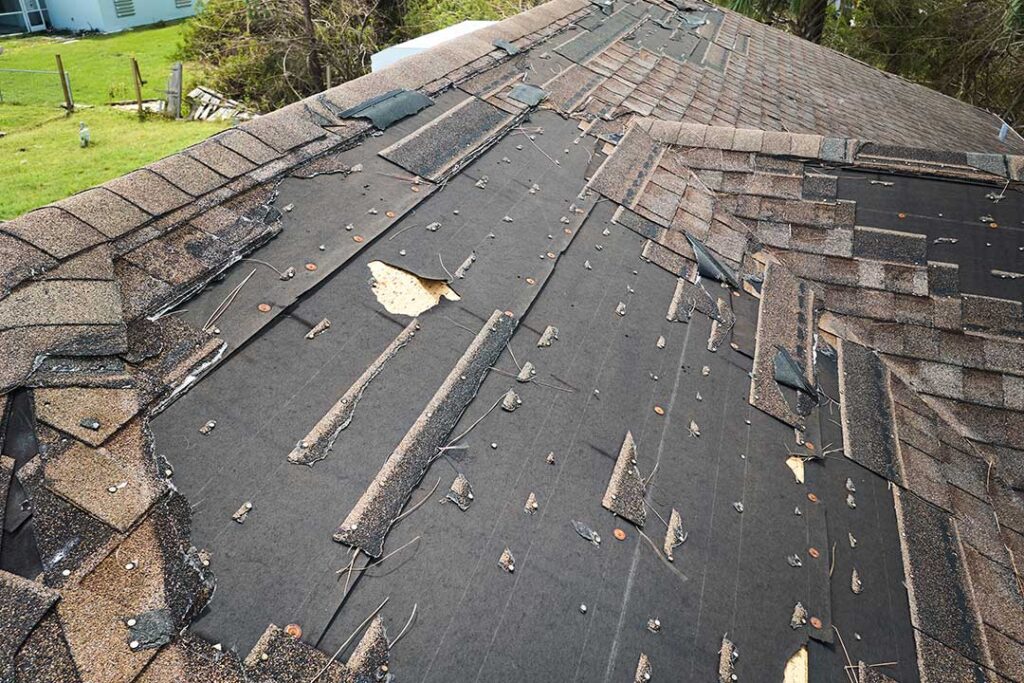
Proper attic insulation does more than keep a house warm in winter. In Eden, NY, it helps control indoor temperatures, reduce heat loss, limit ice-dam risk, protect roof materials, and improve household comfort through changing seasons.
Why does attic insulation matter?
Attic insulation slows the movement of heat between the living space and the attic. In winter, it helps keep heated indoor air from escaping upward. In summer, it reduces the amount of heat transferred from a sun-warmed roof into the rooms below.
Without enough insulation, a home may feel drafty in cold weather and overly warm near the upper floors during summer. Heating and cooling equipment may also run longer because indoor temperatures are harder to maintain.
Insulation works as part of a larger attic system. It performs best when combined with:
- A continuous air barrier at the attic floor
- Adequate ventilation near the roof
- Properly sealed openings around light fixtures, wiring, plumbing, and ductwork
- Protection around attic access doors and pull-down stairs
- Correct drainage and flashing details on the roof above
Adding insulation without addressing major air leaks can leave some problems unresolved. Warm, moist indoor air may still enter the attic through gaps, where it can condense on cold surfaces.
How does insulation help during Eden winters?
Cold winters create a strong temperature difference between a heated home and an unheated attic. Heat naturally moves toward colder areas, so it travels through ceilings when the attic floor is poorly insulated.
A well-insulated attic helps:
- Reduce heat loss through the ceiling
- Keep upstairs rooms more comfortable
- Lower the workload on heating equipment
- Reduce cold spots along ceilings and exterior walls
- Limit the amount of snow melting caused by escaping indoor heat
Snow on a roof is not automatically a problem. However, uneven melting can occur when heat escapes into the attic and warms the underside of the roof. Meltwater may then refreeze near colder roof edges, contributing to ice dams.
Insulation alone does not guarantee that ice dams will never form. Roof shape, snow depth, sun exposure, ventilation, air leakage, and weather patterns also matter. The goal is to keep the roof deck more evenly cold while preventing warm indoor air from reaching the attic.
What is the difference between insulation and ventilation?
Insulation slows heat transfer, while ventilation helps move moisture and excess heat out of the attic. They serve different purposes and should not be treated as substitutes.
Attic ventilation typically allows outdoor air to enter through low intake areas and leave through higher exhaust areas. This airflow can help dry the attic and reduce heat buildup.
A properly functioning system often includes:
- Intake ventilation near the lower roof edges
- Clear air channels above insulation
- Exhaust ventilation near the upper roof area
- No blocked soffit or eave pathways
- No excessive reliance on a single powered fan
Blocking intake paths with insulation can reduce airflow. Installing exhaust ventilation without enough intake air may also produce weak or uneven ventilation. In some cases, powered exhaust fans can pull conditioned air from the home if the attic floor is not well sealed.
How much insulation is enough?
The correct amount depends on the insulation material, its condition, the age of the home, and the applicable energy standards. Insulation is commonly described by its “R-value,” which measures resistance to heat flow. A higher R-value generally provides greater resistance, but installation quality matters just as much.
Insulation should be:
- Evenly distributed across the attic floor
- Free from major gaps and compressed areas
- Kept away from heat-producing equipment unless properly protected
- Installed without blocking ventilation channels
- Extended to the edges of the attic where practical
Older homes may have thin, settled, damaged, or uneven insulation. Some areas may contain loose-fill material that has shifted away from the perimeter. Other homes may have fiberglass batts with visible gaps between sections.
The visible depth of insulation does not always tell the whole story. Different materials provide different levels of thermal resistance, and moisture or compression can reduce performance.
Should air leaks be sealed before adding insulation?
Usually, yes. Air sealing is often necessary before increasing insulation, particularly when the attic has visible moisture staining, frost, or dusty marks around ceiling penetrations.
Common leakage points include:
- Attic access panels
- Plumbing vent openings
- Electrical wiring penetrations
- Recessed light fixtures
- Chimney or flue openings
- Top plates beneath exterior walls
- Heating and cooling ducts
- Open cavities around bathroom exhaust fans
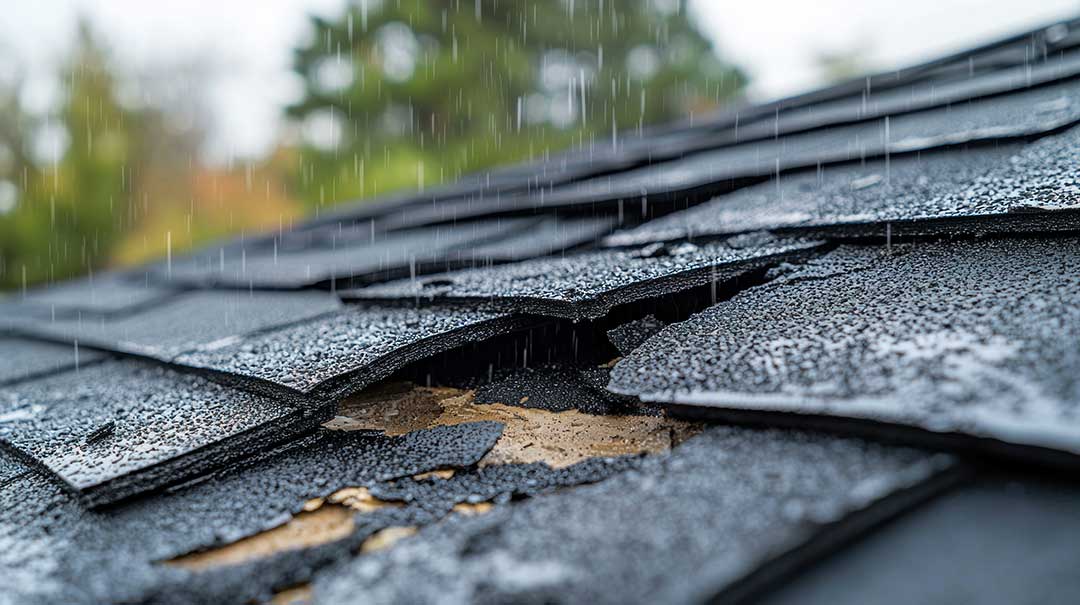
The safety of sealing work depends on the material and location. Heat-producing equipment, chimneys, flues, and electrical components require appropriate clearances and materials. Covering or enclosing these areas incorrectly can create a fire or ventilation hazard.
Bathroom and kitchen exhaust fans should discharge outdoors through properly installed ducts rather than into the attic. Venting warm, moist air into the attic can contribute to condensation, mold-like growth, wood deterioration, and wet insulation.
What are signs that attic insulation is underperforming?
A home may need closer inspection when residents notice temperature differences, moisture, or unusually high heating demand. Warning signs can include:
- Rooms that remain cold despite normal heating
- Ceilings that feel hot in summer
- Frost or water droplets on roof framing
- Damp or compressed insulation
- Musty odors in upper rooms
- Darkened wood around roof sheathing or penetrations
- Snow melting in isolated roof sections
- Ice buildup along roof edges
- Drafts near attic access points
These symptoms do not identify a single cause. Poor insulation, air leakage, blocked ventilation, roof leaks, plumbing leaks, and duct problems can look similar. A wet area should not simply be covered with more insulation before the source of moisture is understood.
Can attic insulation prevent roof leaks?
No. Insulation does not replace roofing materials, flashing, ventilation, or drainage. A roof leak can allow water into the attic regardless of how much insulation is present.
However, insulation and air sealing can help reduce moisture created by indoor air movement. That distinction matters. Rainwater entering through damaged shingles or flashing is a roof drainage issue, while condensation caused by warm indoor air is an attic moisture issue. Both can damage wood and insulation, but they require different solutions.
What should homeowners consider in older houses?
Older housing may have a mix of insulation materials installed at different times. Some attics contain settled loose-fill insulation, while others have partial upgrades that leave thin areas near the perimeter.
Before disturbing older insulation, residents should consider:
- Whether the material is wet, moldy, or contaminated
- Whether wiring and fixtures are safely arranged
- Whether the attic has adequate access and lighting
- Whether ventilation paths are clear
- Whether insulation contains materials requiring special handling
Loose, dusty, or damaged material should not be handled casually. Certain older building materials can create health risks when disturbed, and electrical or combustion hazards may be hidden beneath the insulation.
A safe attic assessment looks at the insulation, air leakage, ventilation, moisture sources, roof condition, and clearances together. That broader view is especially useful in a climate with cold winters, snow, freeze-thaw cycles, and warm summer roof temperatures.
How can insulation remain effective over time?
Insulation performance can decline when it becomes wet, compressed, displaced, or covered by dust and debris. Periodic visual checks can identify problems early, particularly after roof work, plumbing repairs, severe storms, or pest activity.
Keep attic storage elevated so it does not compress insulation or block ventilation. Avoid placing boxes over recessed fixtures, flues, or other heat-producing components. If insulation becomes wet, the moisture source should be corrected and the material evaluated before the attic is closed up again.
A properly insulated attic is not simply a layer of material spread across the floor. It is part of the home’s overall moisture-control, ventilation, and energy-management system. Understanding how those parts work together helps residents recognize problems sooner and make safer decisions about comfort, roof protection, and long-term maintenance.
