
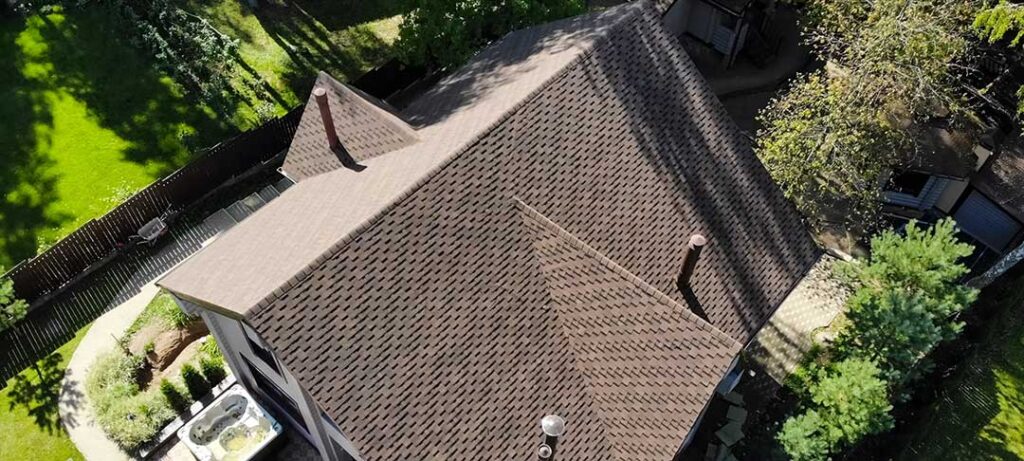
Solar panels can work well on many homes in Eden, NY, but the roof should be evaluated before the system is designed. Roof age, structural condition, snow exposure, shade, ventilation, and future maintenance all affect whether solar is a practical long-term choice.
Is the roof ready for solar panels?
A roof should generally have substantial remaining service life before panels are installed. Solar arrays can remain in place for decades, so placing them on an aging roof may create an avoidable problem: the panels might need to be removed and reinstalled during a later roof replacement.
Before solar work begins, look for signs such as:
- Curling, cracked, brittle, or missing shingles
- Water stains in the attic or upper floors
- Soft decking or sagging areas
- Damaged flashing around chimneys, vents, or roof edges
- Persistent moss or moisture-related deterioration
- Previous repairs that have not solved recurring leaks
A roof does not need to be new to support solar, but it should be sound and suitable for the expected life of the system. A roof inspection should include the visible roofing materials, underlayment where accessible, flashing, decking condition, attic ventilation, and structural framing.
How does Eden’s climate affect the decision?
Local weather conditions matter because solar panels become part of the roof system. Snow, ice, wind, temperature changes, and freeze-thaw cycles all place demands on the roof and its attachments.
Snow accumulation is usually not a reason to reject solar panels. Panels are installed at an angle and often shed snow as sunlight warms their surface. However, snow can slide suddenly from a panel array, creating a hazard over walkways, entrances, decks, or lower roofs. Array placement and snow-shedding controls deserve attention before installation.
Freeze-thaw cycles can expose weak points in flashing and roofing materials. Water that enters a small opening can freeze, expand, and enlarge the defect. This makes careful detailing around mounting points especially important.
Wind also matters. Panels and their racking must be attached to the roof structure according to applicable building requirements. The roof covering alone is not the structural support; the attachments need to transfer forces safely into the framing beneath.
Can every roof support solar panels?
No. Most conventional sloped roofs can support a properly designed system, but roof shape and construction may limit the available options.
Factors that may affect installation include:
- Steep or irregular roof sections
- Multiple roof levels or complicated dormers
- Limited south-, east-, or west-facing roof area
- Heavy shading from trees or nearby structures
- Weak or deteriorated roof framing
- Roofs with fragile materials or unusual construction
- Mechanical equipment, skylights, vents, or chimneys occupying useful space
The roof’s structural capacity should be considered separately from its condition. A roof may appear intact but still require additional evaluation if the proposed system adds meaningful weight or concentrates loads at particular attachment points.
In some cases, panels can be placed on a different roof plane or on a ground-mounted structure. Those alternatives involve separate considerations, including grading, snow clearance, drainage, landscaping, and local permitting.
Does roof orientation matter?
Orientation affects how much sunlight panels receive, but a roof does not have to face one specific direction to be useful. South-facing roof areas often receive strong overall exposure, while east- and west-facing surfaces may also perform well depending on household electricity use and shading.
Roof pitch matters too. A steeper or shallower slope may change panel orientation, snow behavior, and how easily maintenance can be performed. Flat or low-slope roofs require careful attention to drainage and mounting methods because the system must not interfere with water flow.
Shade is frequently overlooked. Trees may block sunlight in summer, while bare branches allow more exposure during winter. Shadows from chimneys, dormers, utility equipment, and neighboring structures can also reduce production. A realistic evaluation should consider the sun’s changing position throughout the year, not just conditions during one visit.
What happens if the roof needs repairs later?
Solar panels do not make roof repairs impossible, but they can make some repairs more involved. If shingles or flashing beneath the array need replacement, panels and mounting equipment may have to be temporarily removed.
This is one reason roof timing matters. Replacing an aging roof before solar installation may reduce future disruption. It also allows roof penetrations, flashing, and attachment locations to be coordinated with the new roofing system.
Records are useful after installation. Homeowners should keep documentation showing where panels and attachments are located, along with information about the roofing materials and any warranties. Future roof work is easier when the layout is known rather than guessed.
Can solar panels cause roof leaks?
Solar panels do not automatically cause leaks. The risk depends heavily on the mounting method, attachment details, roof condition, and quality of installation.
Roof-penetrating systems require carefully sealed and integrated flashing. Sealant alone should not be treated as the entire waterproofing strategy because sealants can age, crack, or lose adhesion. Properly installed flashing directs water around the attachment point and works with the surrounding roofing materials.
Leaks may also develop when:
- Attachments are placed in damaged or weak areas
- Fasteners are not properly aligned with structural members
- Flashing is installed incorrectly
- Existing roof defects are covered instead of repaired
- Snow, ice, or wind damages nearby roofing components
- Later roof work disturbs the array or its waterproofing
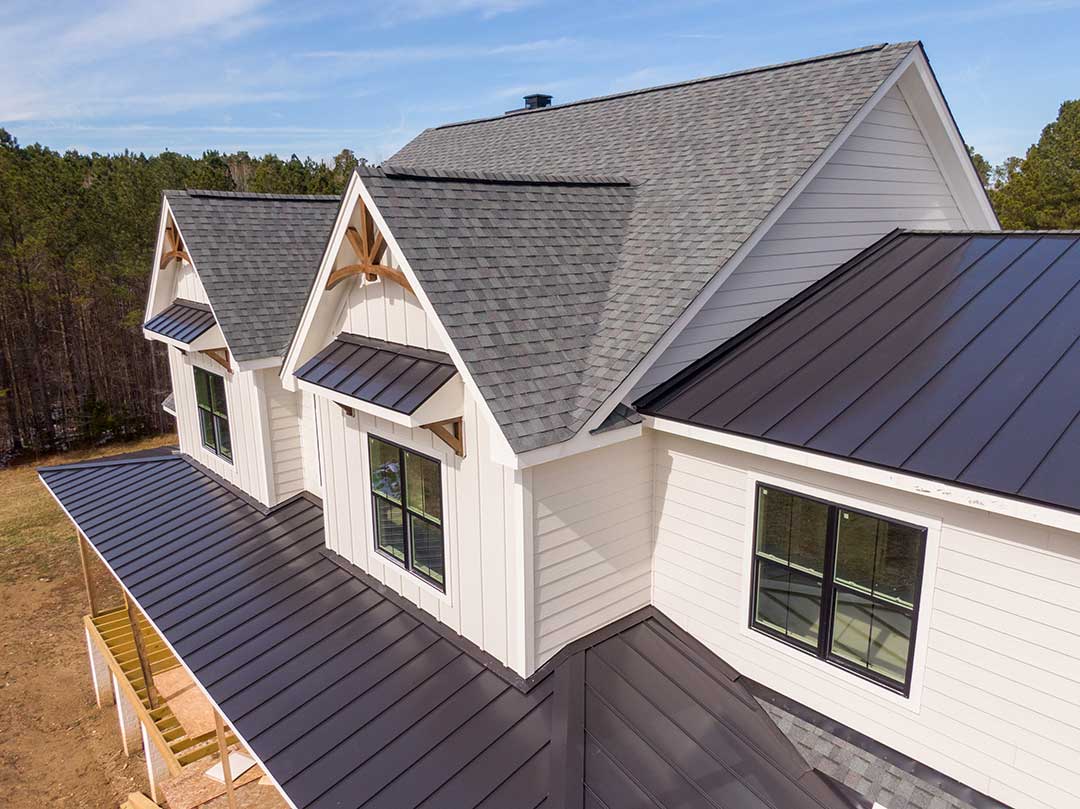
A roof leak appearing after installation does not automatically prove that the panels caused it. Water can travel beneath roofing materials and emerge some distance from the original entry point. Identifying the source requires careful inspection.
What about attic ventilation?
Solar planning should account for attic ventilation rather than treating the roof surface as an isolated component. Panels may cover parts of the roof, while mounting work may occur near vents, plumbing penetrations, or roof exhaust components.
Blocking or relocating ventilation without a coordinated plan can affect attic moisture and temperature control. Poor ventilation may contribute to condensation, mold growth, wood deterioration, and shortened roofing life. Roof penetrations should be mapped before the array layout is finalized so that necessary vents remain functional.
Interior signs such as damp insulation, frost in the attic during cold weather, musty odors, or staining around roof penetrations deserve attention before solar work begins.
Are permits and electrical reviews required?
Solar installations commonly involve building, electrical, and sometimes zoning requirements. Requirements can vary by jurisdiction and by the type of installation, so homeowners should verify the applicable rules before work starts.
A permit review may address:
- Structural attachment and roof loading
- Wind and snow considerations
- Electrical connections and emergency shutoffs
- Equipment placement
- Required setbacks and access pathways
- Fire-safety considerations
The roof and electrical systems should be treated as connected but separate parts of the project. A structurally sound roof does not guarantee that the electrical design is acceptable, and an approved electrical system does not prove that the roof is ready for decades of service.
What should homeowners ask before moving forward?
Useful questions include:
- How much remaining life does the roof appear to have?
- Are any repairs needed before panels are installed?
- Where will each roof attachment be placed?
- How will flashing be integrated with the existing roofing?
- Will vents, chimneys, skylights, and drainage paths remain accessible?
- How will snow shedding be managed near doors and walkways?
- What happens if a leak develops beneath the array?
- Who is responsible for panel removal if future roof work is needed?
- Which permits and inspections apply?
- What records should be kept for future maintenance?
Solar panels can be a reasonable addition to a home, but the roof should be evaluated as a long-term building system rather than merely a surface for mounting equipment. In a climate with snow, ice, wind, and repeated temperature changes, careful planning helps protect both the roofing assembly and the investment above it.
