
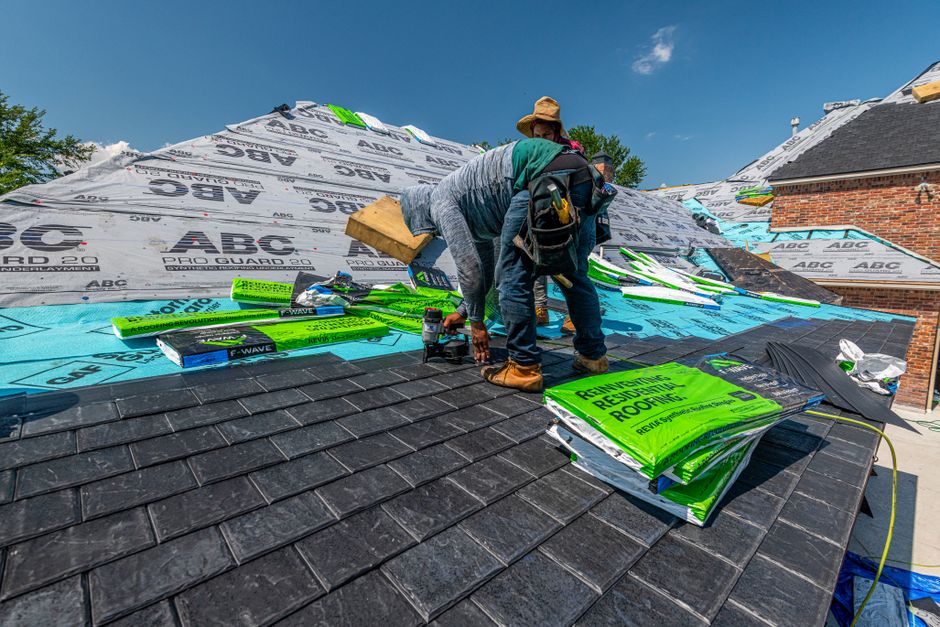
A roof inspection is most useful before a small problem becomes an interior leak, structural concern, or winter emergency. For most homes in Eden, NY, the most sensible routine is an inspection once a year, with additional checks after severe weather, visible changes, or major roofing work.
How often should a roof be inspected?
Most residential roofs should be inspected annually. A yearly review helps identify worn shingles, loose flashing, blocked drainage, exposed fasteners, damaged vents, and early signs of moisture before they become more expensive problems.
A second inspection may be appropriate after a demanding weather season. Roofs in the area can experience heavy snow, ice, freeze-thaw cycles, wind, rain, and occasional hail. These conditions do not always cause obvious damage from the ground, especially when problems occur around flashing, roof edges, valleys, chimneys, skylights, or roof penetrations.
Annual inspections are especially useful for:
- Homes with older asphalt shingles
- Properties with large roof areas or multiple roof sections
- Roofs beneath overhanging trees
- Houses with previous leaks or recurring ice buildup
- Homes that have experienced wind, hail, or heavy snow
- Properties with additions, dormers, skylights, or complex roof designs
What time of year is best for a roof inspection?
For many homes, late spring or early summer is the most practical time for a complete inspection. Winter conditions have passed, snow and ice have cleared, and any damage from freezing temperatures, ice dams, wind, or heavy precipitation can be evaluated before the next cold season.
A late-spring inspection can reveal:
- Shingles loosened by winter wind
- Cracked or displaced flashing
- Granule loss and exposed roofing surfaces
- Damage around chimneys, vents, and skylights
- Sagging gutters or drainage problems
- Moisture stains in attic insulation or roof sheathing
- Deterioration caused by repeated freezing and thawing
An early fall inspection can also be useful, particularly if the roof is older or the spring inspection was missed. The goal is to identify problems before snow, ice, and prolonged cold make access more difficult and repairs more complicated.
There is no need to wait for a preferred season if the roof has visible damage or the home has developed a leak.
Should a roof be inspected after a storm?
Yes. A roof should be checked after severe wind, hail, unusually heavy rain, or significant snow loading. Storm damage may not be visible from the yard, and a roof can continue allowing water inside even when the shingles appear mostly intact.
After a storm, look from the ground for:
- Missing, lifted, curled, or broken shingles
- Shingle pieces or granules in gutters and downspouts
- Exposed underlayment or roof decking
- Bent metal around roof edges or vents
- Damaged siding, soffits, fascia, or gutters
- Tree limbs or debris resting on the roof
- New water stains on ceilings or upper walls
Do not climb onto the roof to investigate storm damage. Wet shingles, steep slopes, hidden ice, loose materials, and unstable branches create serious fall hazards. A roof may also contain damage that is not safe to walk across.
When is an inspection needed immediately?
Some warning signs should not wait for the next seasonal inspection. Arrange for a prompt evaluation when there is active leaking, visible daylight through the roof, a sagging roof surface, or evidence that water is entering the attic.
Immediate attention is also appropriate when:
- A ceiling stain grows after rain
- Water drips from a light fixture or attic area
- The attic smells damp or shows mold-like growth
- Insulation is wet or compressed
- A section of roof appears uneven or sunken
- A large branch has struck the roof
- Wind has removed or lifted multiple shingles
- Ice has caused gutters or roof edges to pull away
- Interior damage appears after snow begins to melt
If water is near electrical wiring, light fixtures, or electrical equipment, avoid touching the affected area and treat the situation as a safety concern.
Does roof age affect inspection timing?
Yes. Older roofs generally deserve more frequent attention because materials become less flexible and less resistant to wind, moisture, and temperature changes over time.
A roof’s actual condition matters more than its age alone, but inspection intervals should become shorter when:
- Shingles are near the end of their expected service life
- The roof has had several repairs
- Granules are collecting heavily in gutters
- Shingles are brittle, cracked, or missing
- Flashing has been replaced repeatedly
- The attic has poor ventilation or excessive moisture
- The roof has experienced repeated winter damage
A roof that looks acceptable from the street may still have deteriorated underlayment, weakened decking, or failing flashing. Age is a reason to inspect more carefully, not an automatic reason to replace the entire roof.
What should an inspection include?
A useful inspection examines more than the visible shingles. It should consider the roof covering, edges, drainage, penetrations, attic, and signs of moisture inside the home.
The review may include:
- Shingles, panels, or other roof covering
- Valleys and areas where roof sections meet
- Flashing around chimneys, vents, skylights, and walls
- Drip edges and roof-to-gutter transitions
- Gutters, downspouts, and drainage paths
- Soffits, fascia, and roof edges
- Attic ventilation and insulation conditions
- Roof decking visible from the attic
- Water stains, dampness, rust, or condensation
- Signs of animals entering through roof openings
An attic inspection is particularly valuable because water may travel along roof framing before appearing on a ceiling. The location of an interior stain does not always match the location of the roof defect.
Can homeowners inspect a roof themselves?
Homeowners can perform a safe visual check from the ground, attic, and upper windows, but roof-surface inspections involve fall risks and can cause additional damage if shingles or flashing are stepped on improperly.
A basic homeowner check can include:
- Looking for missing or displaced roofing materials
- Checking gutters for excessive granules or shingle fragments
- Examining ceilings and upper walls for stains
- Looking in the attic for damp areas or daylight
- Trimming branches that touch or threaten the roof
- Confirming that downspouts discharge water away from the foundation
Do not use a ladder during icy, windy, or wet conditions. Avoid walking on a roof unless the surface and access are clearly safe and the person inspecting it understands the hazards.
What local conditions make inspections especially useful?
Eden experiences the broader western New York pattern of snowy winters, lake-influenced weather, strong temperature changes, and repeated freeze-thaw conditions. Snow can cover damaged areas for extended periods, while melting and refreezing can expose weaknesses around roof edges and drainage points.
Older homes, homes with additions, and properties surrounded by mature trees may require extra attention. Roof sections that meet at different angles can collect snow and water, while shaded areas may remain icy longer than exposed surfaces.
A practical schedule is:
- Late spring: inspect for winter and snow-related damage.
- Early fall: check the roof before the next snow season.
- After severe weather: look for storm damage as soon as conditions are safe.
- Any time a warning sign appears: investigate leaks, sagging, or visible deterioration promptly.
The most reliable inspection schedule is based on both the calendar and the roof’s condition. A yearly review provides a useful baseline, while additional checks after storms or unusual interior symptoms help prevent small defects from becoming larger building problems.
